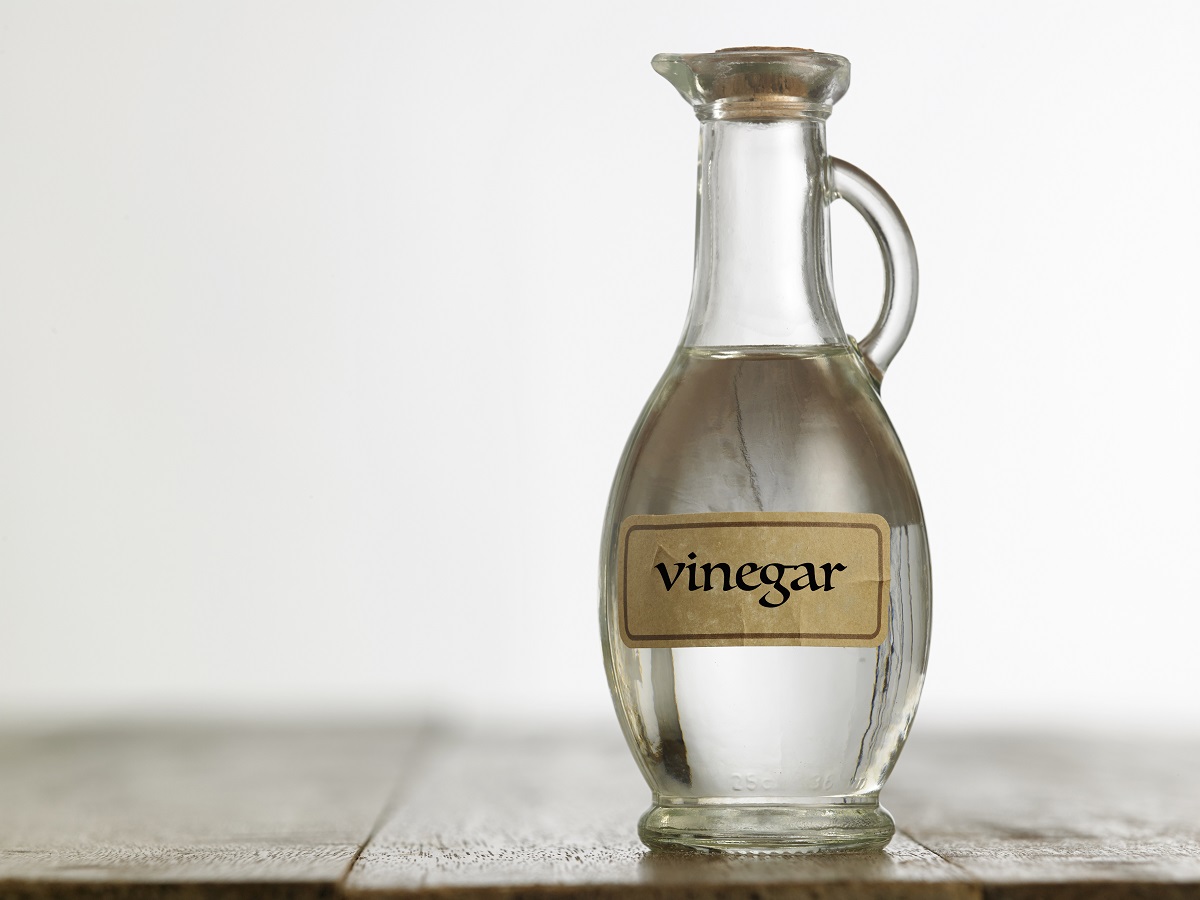
If there is one human invention that’s done a world of good, it’s vinegar. According to vinegarman.com, vinegar is one of the most useful and safe substances made by humans.
Vinegar is a natural organic bi-product of fruits, vegetables, and grains. It is therefore edible and biodegradable.
It can be used for cooking, for cleaning and, if you are so inclined, for art. You can use it in your garden when taking care of your pets and even use it to keep your car looking great.
Vinegar’s acetic properties are what make it a good household cleaner. It is very safe for the environment, for family members, especially those with asthma, and around young children.
Vinegar is a safe all-natural cleaning product. It doesn’t contain harmful toxic chemicals, so if in the course of normal household cleaning you ‘pour it down the drain’ its impact on municipal sewer and water treatment systems is just like any food product.
Vinegar’s use as a medicine goes back to ancient times. Due to its antimicrobial properties, (it kills or retards the growth of microorganisms), it has been used as an antibiotic for the dressing of wounds as well as other uses.
According to vinegarman.com physicians have recommended vinegar for a wide variety of ailments for many centuries including ear infections, jellyfish stings, controlling blood sugar, and influenza.
Are there any cons to using vinegar? What we have to remember about it is that vinegar is an acid.
When baking soda and vinegar are combined, for example, the bicarbonate is broken down by the acetic acid, releasing carbon dioxide.
As with any product, it is always good to do a little research first before trusting a product completely. A great source to find out more about the many types of vinegar is to visit its Wikipedia page.