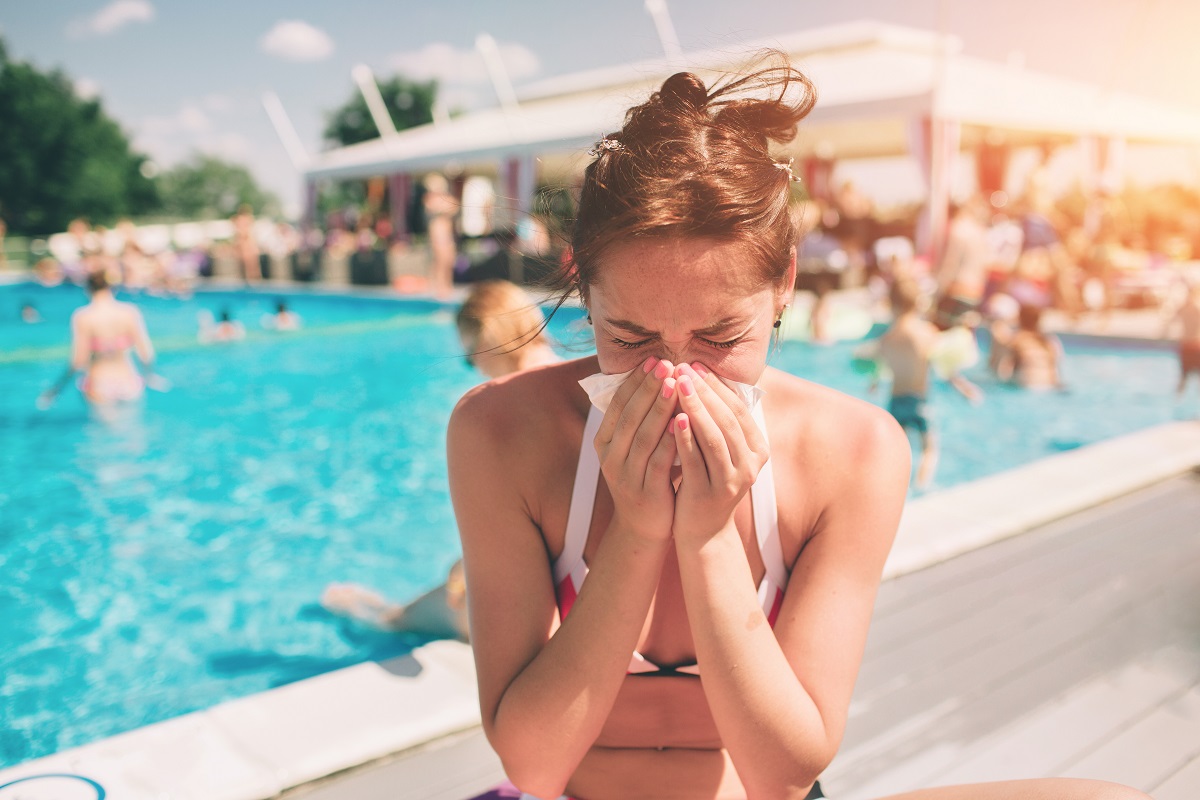
(NC)—The summer season is almost here, along with vacations. A recent survey conducted by the Hotel Association of Canada revealed that 83 percent of Canadians plan to take a vacation in 2011, which represents an increase of five percent over last year. For those suffering from seasonal allergies, just one little trip can mean several unforeseen surprises, sometimes easy to avoid, but nevertheless have the potential to ruin a visit abroad.
To avoid allergy problems, before leaving, bring enough antihistamines for the duration of your stay. Antihistamines are most effective if they are taken at least 20 minutes before exposure to an allergen. It is, therefore, preferable to take them before leaving the house or the plane.
Moreover, it is important for individuals suffering from seasonal allergies to plan for the weather conditions they will experience once they arrive at their destination.
Keep in mind that the pollen season varies according to geographic location. For example, in the Atlantic provinces, it lasts from April to September, whereas it is limited to the months of March to July in Saskatchewan and Alberta.
A complete calendar of the pollen season nationwide can be consulted at www.claritin.ca.
Once you arrive at the hotel, even though it is tempting to open the windows of your room to air it out and enjoy the warm weather, it is nevertheless preferable to opt for air conditioning to prevent pollen from getting inside.
For people who are allergic to dust, remember to bring a hypoallergenic pillowcase. If you reserve your room in advance, do not hesitate to ask the housekeeping team to take special care while cleaning your room, because of your allergies.