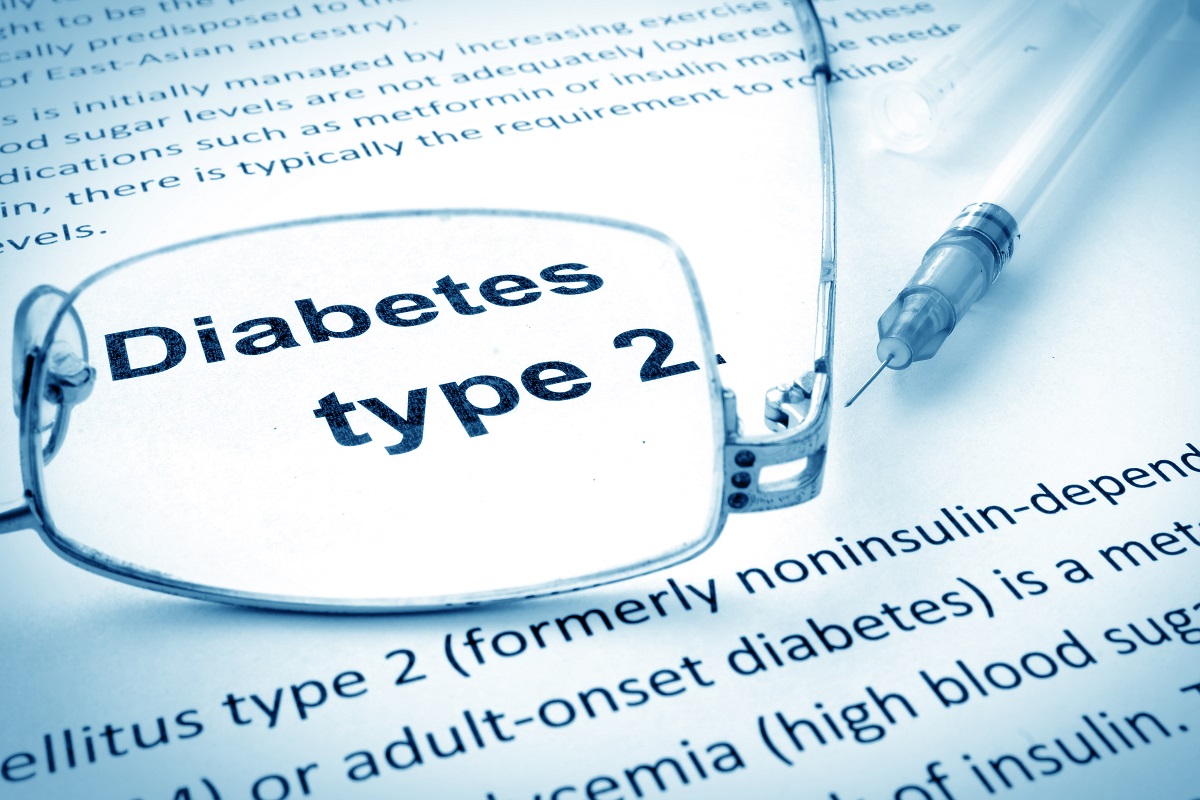
Your risk factors for developing type 2 diabetes – a potentially life-threatening condition – are based on your genes and your lifestyle.
According to diabetes.org, diabetes is a problem with your body that causes blood glucose (sugar) levels to rise higher than normal. This is also called hyperglycemia. Type 2 diabetes is the most common form of diabetes.
Type 1 diabetes is usually diagnosed in children and young adults, and was previously known as juvenile diabetes. In type 1 diabetes, the body does not produce insulin.
In type 2 diabetes, either the body does not produce enough insulin or the cells ignore the insulin. Insulin is necessary for the body to be able to use glucose for energy. When you eat food, the body breaks down all of the sugars and starches into glucose, which is the basic fuel for the cells in the body. Insulin takes the sugar from the blood into the cells.
When glucose builds up in the blood instead of going into cells, it can cause two problems:
Right away, your cells may be starved for energy. Over time, high blood glucose levels may hurt your eyes, kidneys, nerves or heart.
Some groups have a higher risk for developing type 2 diabetes than others. Type 2 diabetes is more common in African Americans, Latinos, Native Americans, and Asian Americans/Pacific Islanders, as well as the aged population.
While you can’t change your genes, you can improve your lifestyle to reduce the risk. Here are some tips which can help:
• Know Your Body Mass Index (BMI). Being overweight or obese increases your risk of developing type 2 diabetes. As such, knowing if your BMI is too high is important. To check your BMI, visit the National Heart, Blood and Lung institute’s online calculator: http://nhlbisupport.com/bmi/bminojs.htm
• Eat a healthy, balanced diet.Eating more fruits and vegetables and foods that are rich in fibre, low in sugar, and low in fat can help you maintain or lose weight. Also, be sure to monitor portion sizes to make sure you are not overeating.
• Be physically active. Increasing physical activity can control your weight and reduce your risk of developing type 2 diabetes.
• Manage high blood pressure, cholesterol, and glucose (sugar) levels. Studies show that managing your blood pressure, cholesterol, and glucose (sugar) levels can substantially reduce the risk of diabetes complications, such as heart disease and stroke. A healthcare provider can help you monitor these items.
If you think you may be developing symptoms that indicate you could have type 2 diabetes, visit your health care professional.