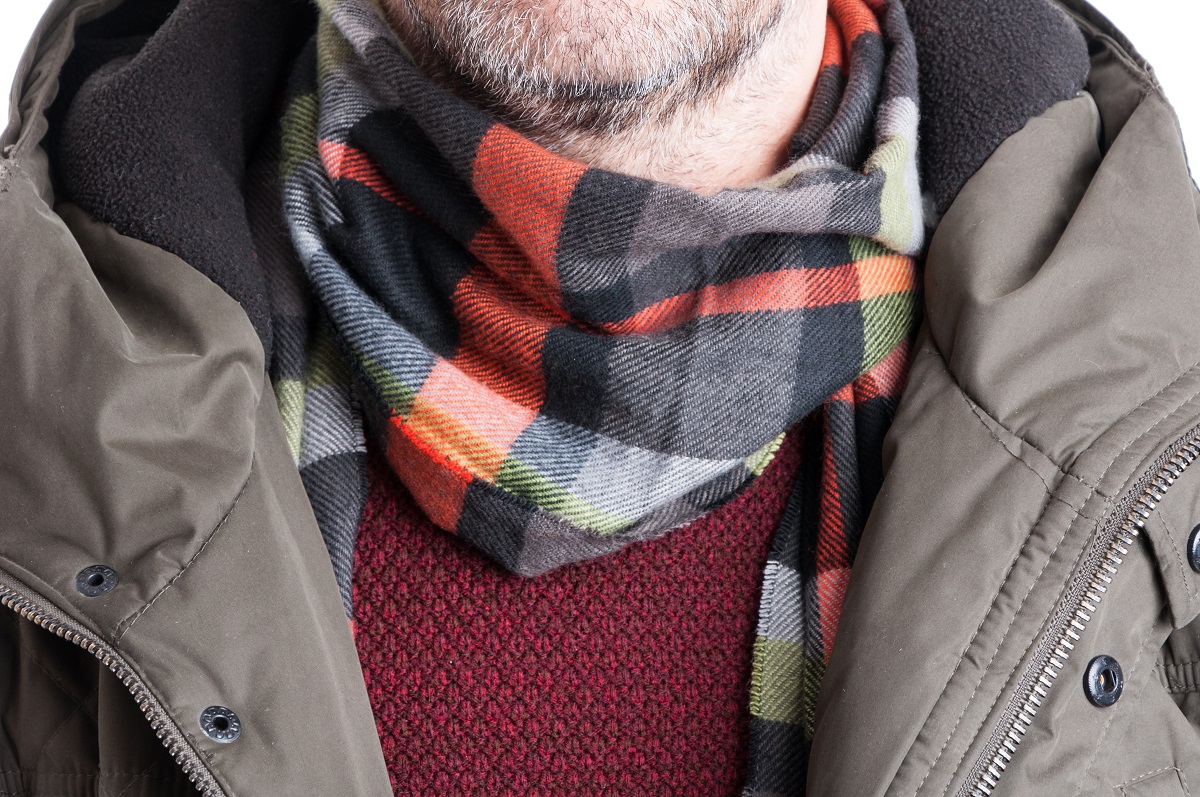
We often here about the importance of layering when we are about to head out into the cold weather. Layering is supposed to help us stave off the chilling winds and enjoy those below zero days.
That’s nice. But just how does one layer? What do we wear first? How many is enough? Here are some layering tips from backpacker.com:
What to wear next to your skin:
For cool or cold weather, your base layer should be snug, because if it’s not touching your skin, it can’t wick sweat. That means your sweat sits on your skin until it evaporates, which leaves you shivering. This base layer should be made of material that wicks sweat away from your skin and then dries quickly so you don’t get chilled. That material is not cotton because cotton does not dry fast enough. Synthetic materials (polyesters) make good base layers. They are a good wicking, quick-drying option. Some outdoor enthusiasts prefer wool as it is warm when it’s cold, cool when it’s hot, and it doesn’t stink up like as much as synthetics do. However, wool tends to dry slowly when it gets wet (either from precipitation or sweat), and some people with sensitive skin have a difficult time wearing wool. A popular choice is choosing material with wool/synthetic blends. They have the quick-dry ability of synthetics, with the warmth and ants tink talents of wool.
If the weather is frigid, long underwear bottoms or tights underneath another pair of pants will keep you warm. Cotton and denim should be avoided. Running pants or running tights made of synthetics that wick moisture will keep you more comfortable in rain and snow.
Layer two:
Insulation The insulation layer traps your body heat. It can range from lightweight fleeces and wool sweaters to full-on puffy down jackets; depending on the season. Depending on how cold it is outside and the activity you are doing, you may not need to wear your insulation layer at all times. But as soon as you stop moving, put it on so you won’t get cold as your sweat dries.
Layer three: Shell
The job of a shell is to cut the wind and to keep you dry. For more challenging weather and extended trips, you want a waterproof/breathable shell that keeps water out, but lets sweat vapor escape, so you don’t get wet from perspiration inside your layering system.
Other essentials:
• Hat: A hat is essential to keep your body heat from escaping, as well as shedding rain.
• Gloves or mittens: Mittens will keep your hands the warmest as the fingers work together to build up warmth.
• Waterproof shoes or boots: If your walking route is wet or snowy, invest in a pair of waterproof walking or hiking shoes. • Socks: Switch to heavier socks or wear two pairs for more insulation. Test your socks with your chosen shoes to make sure there is s3ll room for your toes to wiggle. Avoid cotton.