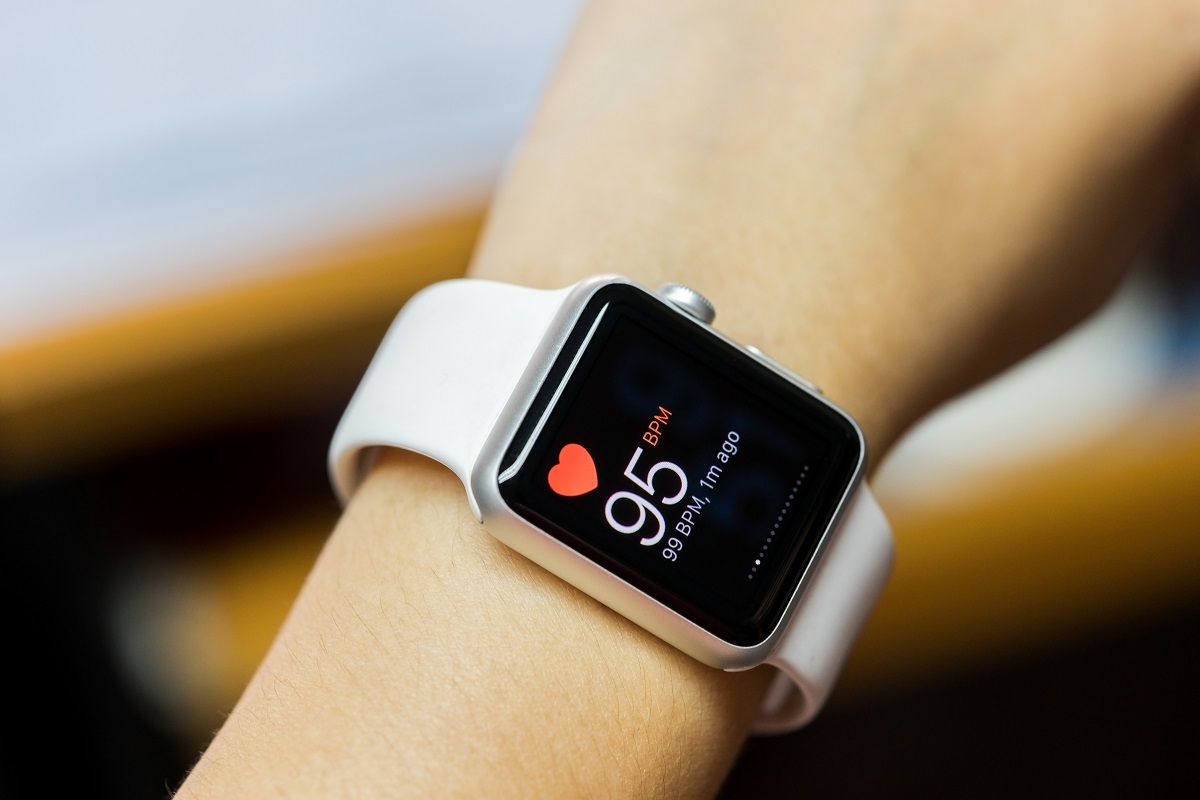
Knowing something about heart rate is not just for athletes, even though it seems like they are the only people you see with their fingers placed against their pulse or neck as they are jogging past you.
Knowledge about your heart rate can help you monitor your fitness level, and it might even help you spot developing health problems.
The best places to find your pulse are; the wrists, inside of your elbow, side of your neck or the top of the foot. To get the most accurate reading, put your finger over your pulse and count the number of beats in 60 seconds.
Normal heart rate varies from person to person, but usually your resting heart rate is the heart pumping the lowest amount of blood you need because you’re not exercising. If you’re sitting or lying and you’re calm, relaxed and aren’t ill, your heart rate is normally between 60 beats per minute (bpm) and 100 bpm.
However, a heart rate lower than 60 doesn’t necessarily signal a medical problem. It could be the result of taking a drug such as a beta blocker. A lower heart rate is also common for people who get a lot of physical activity or are very athletic. If you are on any kind of medication, check with your doctor to determine what your resting heart rate should be.
If your pulse becomes very low or if you have frequent episodes of unexplained fast heart rates, especially if they cause you to feel weak or dizzy or faint, tell your doctor, who can decide if it’s an emergency.