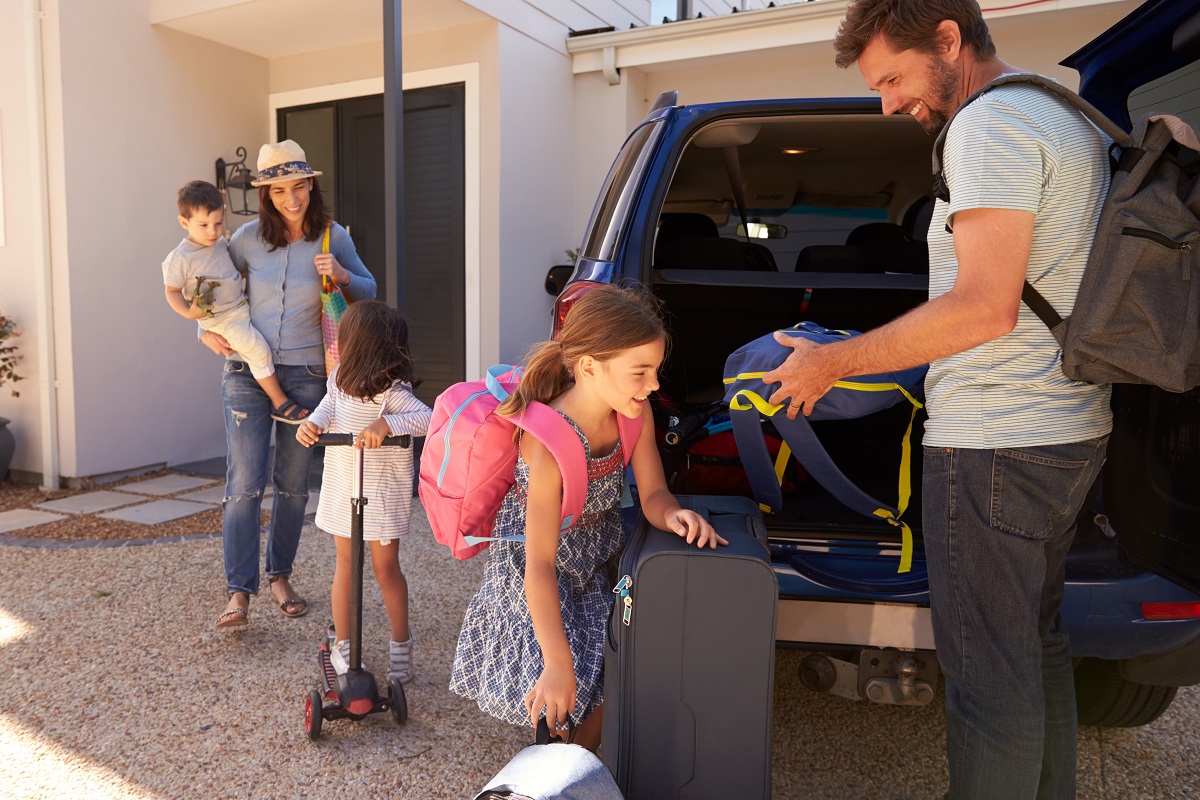
No matter whether it’s a trip to the cottage or a scenic drive along the Oregon coast, packing the car for a road trip requires some advance planning.
Here are a few car-packing tips to ensure everyone arrives at their final destination, happy and safe:
1. Respect the vehicle’s load capacity. To make sure you’re not over-packing the car and burning too much gasoline, check how much weight your vehicle can handle before you load it up.
For most cars, this information is printed on the door placard inside the driver’s side door. In addition to saving on gas, you may prevent a suspension issue from occurring that could affect your car’s braking time and distance.
2. Maximize space. Storage space will vary depending on the vehicle, but the general rule of thumb is that the heaviest items should be placed as far forward and as close to the floor as possible in the cargo area. This will keep the car’s center of gravity low. Lighter items should be placed on top and secured. Don’t forget to keep necessary items, such as sweaters or diapers within easy reach. To free up some extra space: an unrolled sleeping bag makes for great cushioning, and a strategically placed cooler in between backseat passengers can easily transform into a card game table.
3. People management. Don’t forget to leave space in the car and account for family members while you’re packing up the luggage. People add weight too, and depending on where you’ve packed bags, boxes, or coolers, where people sit will also impact your gas consumption.
If traveling with children, consider where you’ll need to place car seats and their weight in your calculations.
4. Bring a roadside emergency kit. You never know what is going to happen while on a road trip, so it is best to be prepared for all possible scenarios to ensure a happy vacation. Bring along a roadside emergency kit that includes items such as foam tire sealant, water bottle, jumper cables, duct tape, tow rope, emergency light and/or flashlight, as well as batteries and a multi-purpose tool.