We have often written about the need for vitamins for better health, but our diets may not be providing other essential nutrients in sufficient amounts. These chemical elements such as iron, magnesium, calcium, potassium and sodium, support the biochemical reactions of metabolism.
While many of us understand the need for calcium (Ca), another element, magnesium (Mg), often is forgotten.
AuthenticSelfWellness.com explains that magnesium is a mineral that facilitates as many as 300 enzymatic reactions. Sixty percent of magnesium in the body is found in the bone, 25 percent in muscle, and the remainder in the fluids and soft tissue.
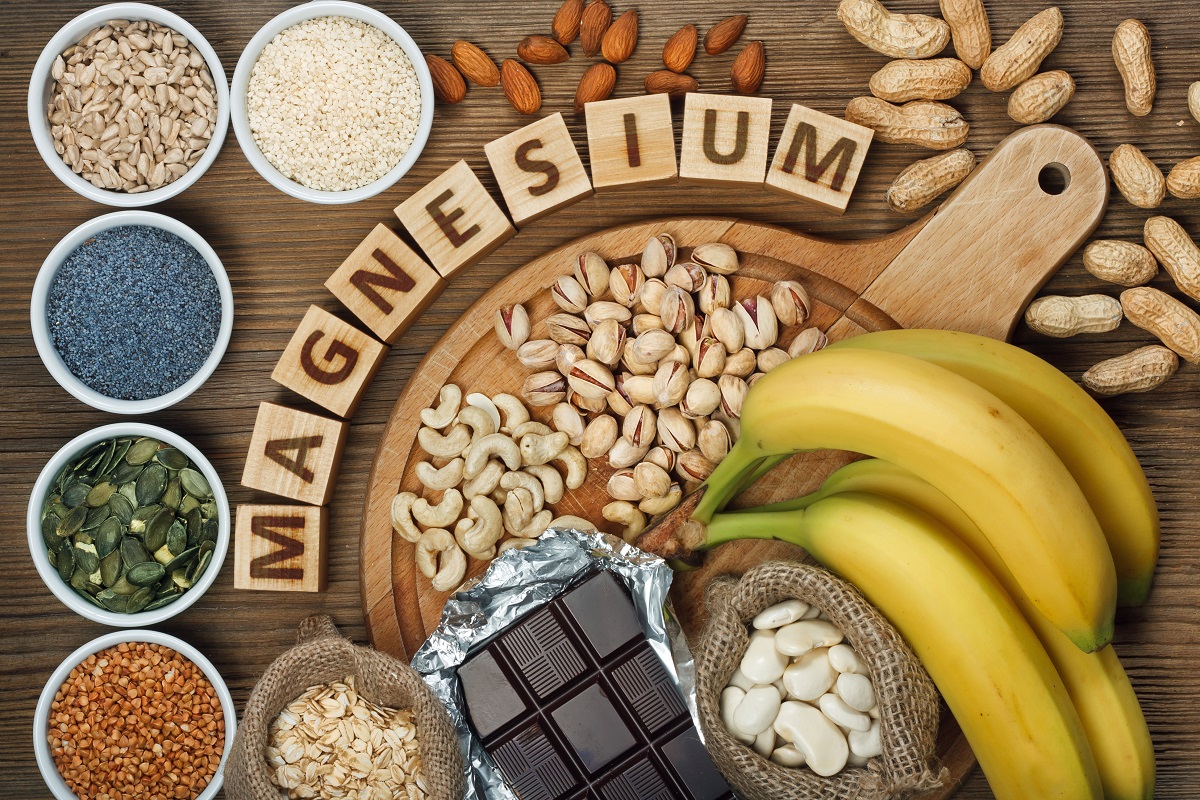
There are a variety of foods that contain good amounts of magnesium including; almonds, pumpkin seeds, quinoa, swiss chard, wheat germ, cashews, brown rice, spinach, and kidney beans.
Some signs of magnesium deficiency include; muscle spasms and tightness, painful menstrual cramps, high blood pressure, and heart arrhythmias. See your health care professional if you think you may have a magnesium deficiency.