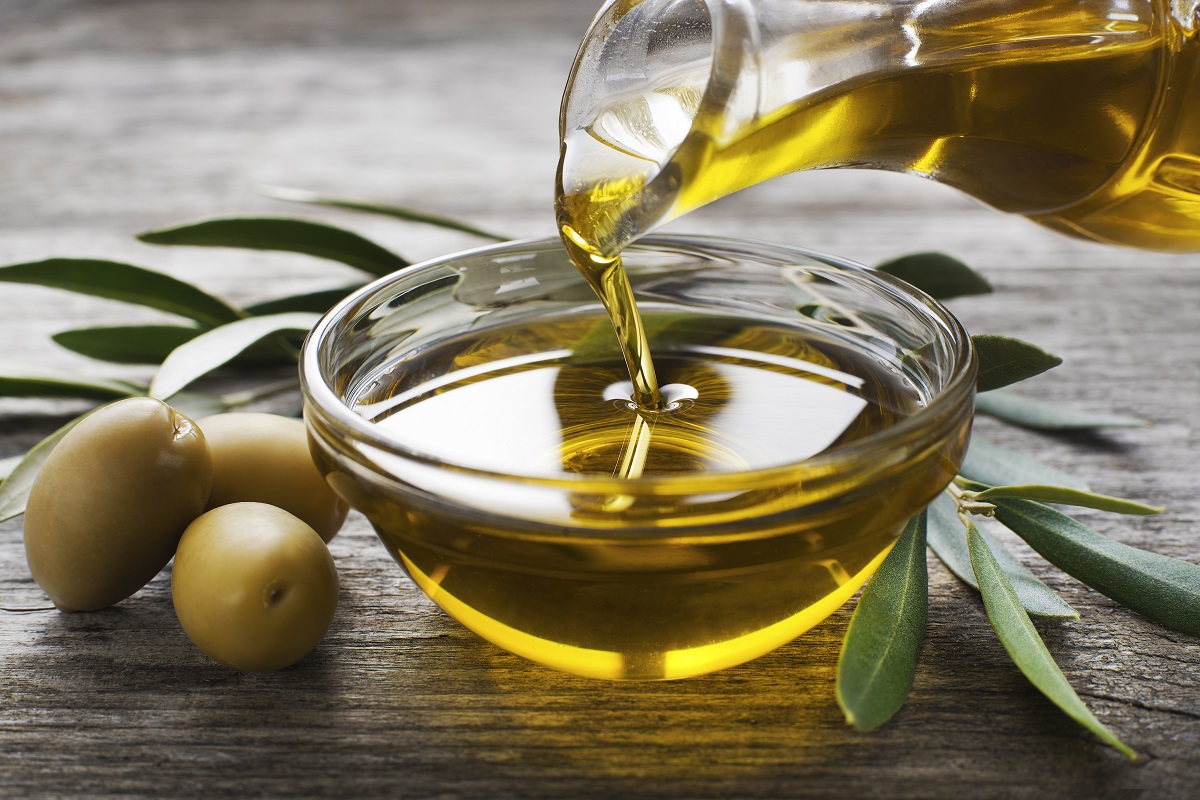
Though considered a fat, olive oil is generally considered one of the most healthy oils due to its high monounsaturated fat content and relatively low saturated fat content.
However, no oil should be considered a health food. Ounce for ounce, oil packs even more calories than butter or bacon. A diet with hefty amounts of oil invariably produces hefty amounts of body fat, which leads to all sorts of devastating diseases, including heart disease.
According to an article published on eatrightamerica.com, here is some extra information you should consider when making the move to olive oil.
Myth: Olive oil protects against heart attack.
Fact: Olive oil is not heart-healthy. Foods rich in monounsaturated fats like olive oil are less harmful than foods full of saturated and trans fats, but just because something is less harmful than something else does not mean it is “healthful.” For example, a cigarette that contains less tar or benzoapyrenes (what some people might mistakenly refer to as “healthier”) still leads to lung cancer. Similarly, the consumption of “healthier” monounsaturated fats like olive oil still may lead to diseased arteries.
Pouring a lot of olive oil onto food means you are consuming fat. And eating a lot of any kind of fat, including the healthier ones, means you’re eating a lot of calories, which leads to excess weight, which leads to increased risk of diabetes, high blood pressure, stroke, many forms of cancer and heart disease.
Myth: Olive oil lowers LDL (“bad”) cholesterol.
Fact: Olive oil, in and of itself, does not lower LDL cholesterol. In just about every study showing that people lowered their LDL cholesterol levels after starting to use olive oil, including the recent study on extra virgin olive oil, the people used olive oil in place of other dietary fats, often saturated fats like butter, cheese, and fatty meats. Naturally, LDL is going to go down when you eliminate well-known LDLraising fats. So perhaps it’s not the addition of olive oil that improves LDL cholesterol levels, it’s the subtraction of artery-clogging fats like saturated fats and trans fats.
Myth: Certainly, monounsaturated fats are better than saturated fats.
Fact: “Better than” is not the same thing as “good in and of itself.” The human body has no essential need to consume monounsaturated fats from dietary sources. The only fats you need to get from dietary sources (because you can’t manufacture them yourself—i.e., essential nutrients) are short chain omega-6 and omega-3 fats (polyunsaturated fats). Of these, the one you need to pay closer attention to is omega 3. Olive oil is a poor source of omega 3. In fact, you’d have to drink a 7 oz. (207 mL) glass of olive oil to get a sufficient daily dose of omega 3s. Seven ounces of olive oil contains 1,800 calories and 30 grams of saturated fat.
To learn about both sides of olive oil, try googling it first, get some questions ready and then talk to a professional nutritionist.