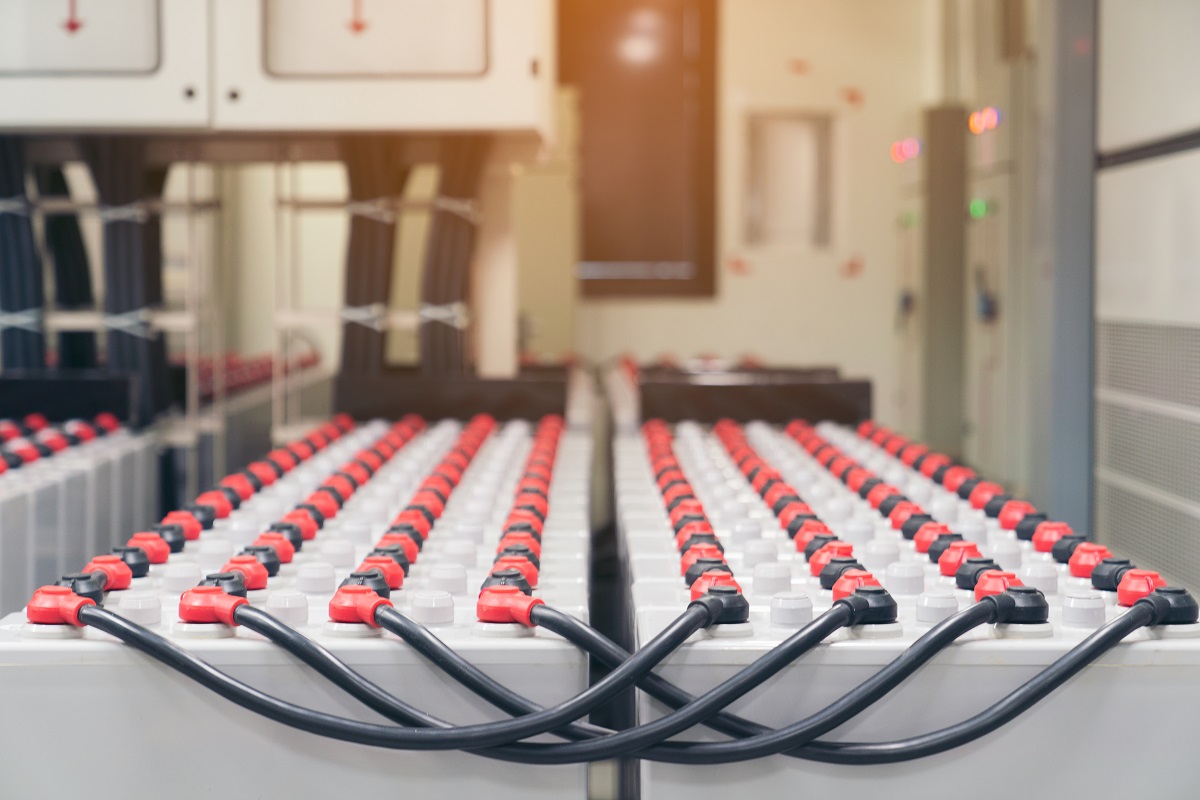
Relatively inexpensive compared to newer technologies and able to supply high surge currents, lead-acid batteries continue to be popular for motor vehicles. Large-format lead-acid designs are frequently used for storage in backup power supplies in cell phone towers, high-availability settings such as hospitals and standalone power systems.
It’s important to know, however, that lead-acid batteries have three significant characteristics that can pose serious hazards for those who work with or near them:
• They have an electrolyte that contains dilute sulpheric acid, which can cause severe chemical burns.
• They can develop hydrogen gas and oxygen, which under certain circumstances could result in an explosive mixture.
• They can contain a considerable amount of energy, which can be a source of high electrical current and a severe electrical shock in the event of a short circuit.
Danger can be most acute when lead-acid batteries are being charged, even though many workers might not be too concerned, since it is such a common activity.
They might not realize, for example, that if ventilation is poor, the escaping hydrogen could create the above-noted explosive atmosphere around the battery. The consequences could be devastating if they fail to keep sparks, flames, burning cigarettes and other sources of ignition away from it.
Here are some basic workplace safety precautions for charging lead-acid batteries:
• Wear safety gloves, eye protection and an apron.
• Know the location of and how to use the safety shower and an eyewash station that should be installed nearby.
• Charge batteries in a properly ventilated area.
• Ensure there is an ABC-type fire extinguisher nearby.
• Make sure the power is shut off at the charger before connecting or removing the cable clamps.
• Before recharging a battery, check the electrolyte level. If the electrolyte is covering the top of the plates, do not add more water.
• If the battery has been outside in cold weather, make sure it is not frozen.
• While charging the battery in a vehicle, connect the negative cable to the frame or motor block instead of the battery terminal.
• Check that the battery ventilation holes are clear enough to allow the hydrogen gas to escape and prevent the battery from exploding.
• If the battery is not maintenance free, remove the filler caps to vent hydrogen gas.
• Stand at arm’s length when removing battery caps.