The idea for athletes to train at high altitudes is not new. But how does breathing at high altitudes affect a person who is not in training?
Interestingly enough, higher altitudes can have a considerable effect on people suffering from allergies or have a tendency to asthma. It also takes a little getting used to.
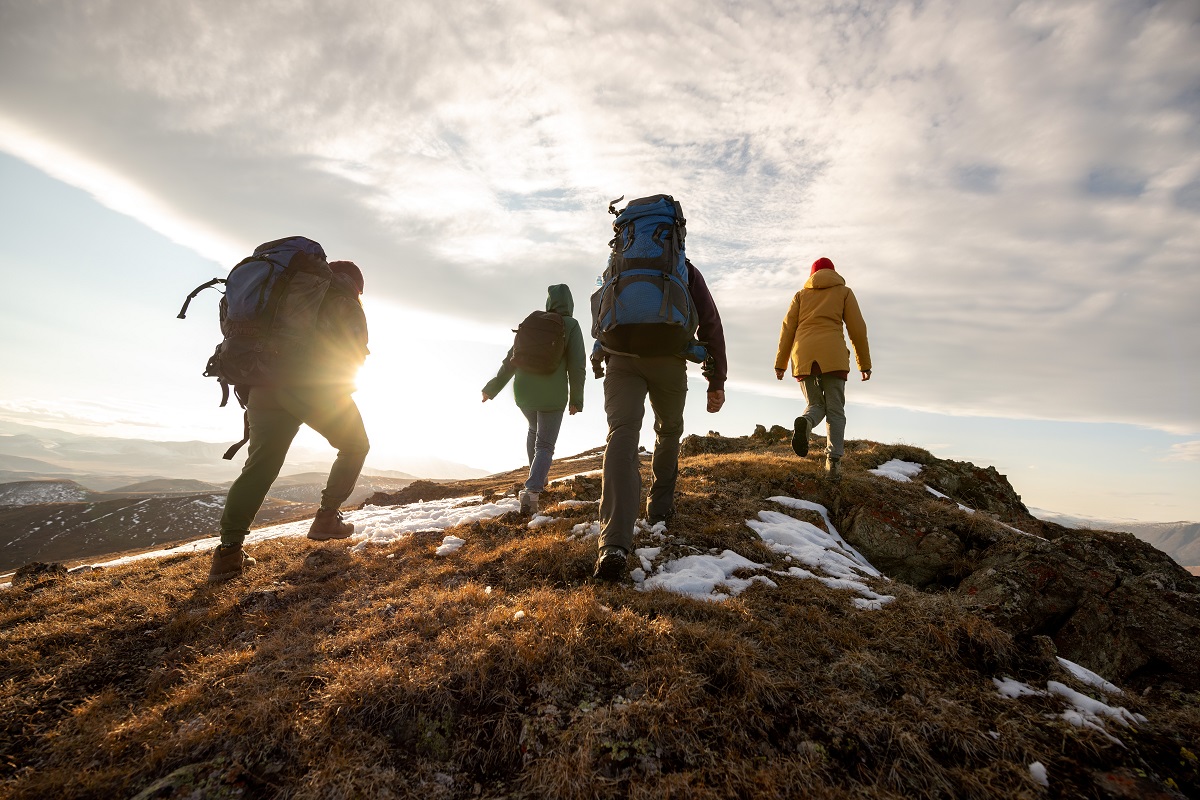
Some people try to do too much. For example, perhaps you choose to hike in the mountains for your vacation, but you live in the prairies. You fly to your destination, then drive to your hotel located at 2,240 meters or 7,349 feet above sea level.
The next day you hike up to a great viewing spot. Suddenly you feel ill and get a terrible headache. This could be a sign of altitude sickness. You must always give your body me to adjust.
Here are some ps to keep in mind:
• At high altitudes, the lower air pressure makes it more difficult for oxygen to enter our vascular systems. The result is hypoxia or oxygen deprivation. Hypoxia usually begins with the inability to do normal physical activities, such as climbing a short flight of stairs without fatigue. Take me to get used to the difference in air pressure.
• Exercise demands more air, so problems will become more pronounced. If you intend to go hiking at a significantly higher altitude than you normally live at, then be prepared to slow down!
• If you have sleep apnea and move from a lower area to a higher one, you may need to have your breathing equipment adjusted to compensate for the lower room air pressure.
• If you use any kind of assisted breathing equipment, changing altitudes may necessitate adjustments to the equipment. Talk to your doctor before you make the change, or before you make a trip into a high altitude area if you or a family member are vent dependent or oxygen-dependent.