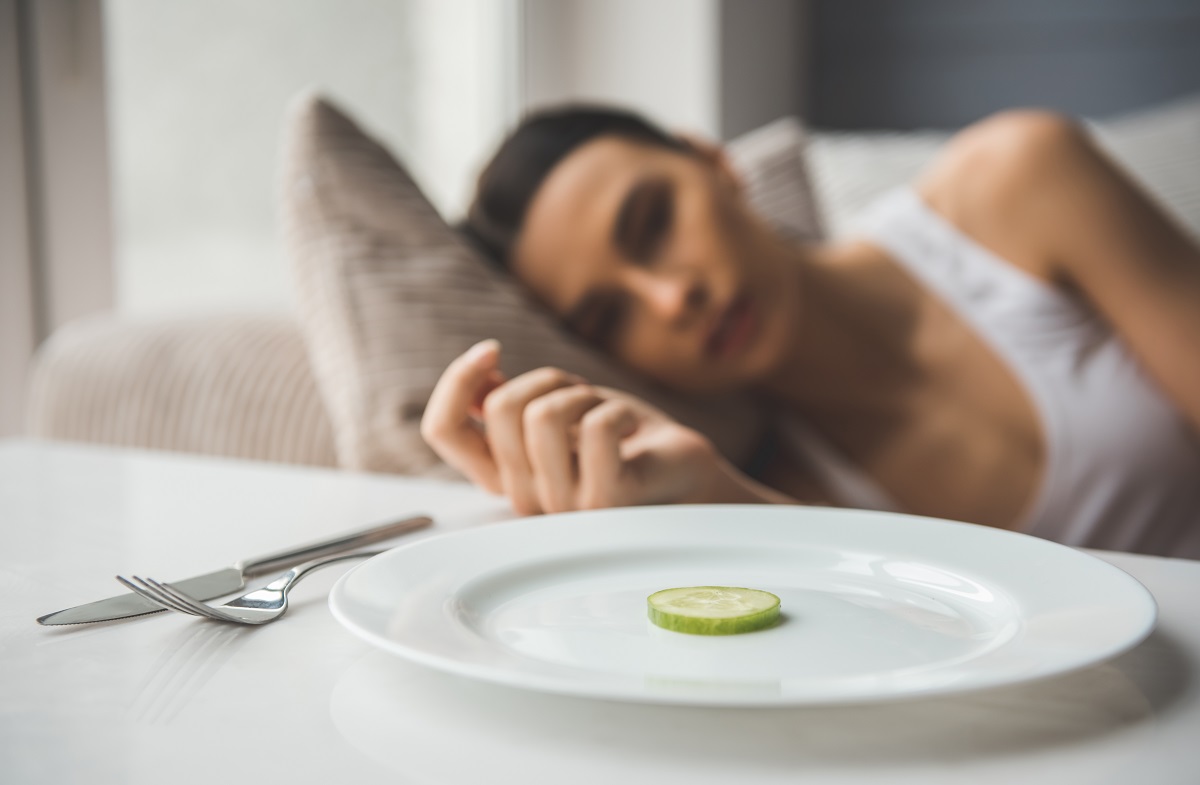
While we associate eating disorders with young girls trying to achieve the “perfect” bodies they think they see in glossy magazines, this illness goes far beyond trying to get skinny.
According to womenshealth.gov, Eating disorders are serious medical problems. They frequently coexist with other illnesses such as depression, substance abuse, or anxiety disorders.
Although there is no single known cause of eating disorders, several things may contribute to their development:
• Culture. In N. America, extreme thinness is a social and cultural ideal, and women partially define themselves by how physically attractive they are.
• Personal characteristics. Feelings of helplessness, worthlessness, and poor self-image often accompany eating disorders.
• Stressful events or life changes. Things like starting a new school or job, being teased or traumatic events can lead to the onset of eating disorders.
• Biology. Studies are being done to look at genes, hormones, and chemicals in the brain that may have an effect on the development of, and recovery from, eating disorders.
• Families. Parents’ attitudes about appearance and diet can affect their kids’ attitudes. Also, if your mother or sister has an eating disorder, you are more likely to have it.
Eating disorders frequently develop during adolescence or early adulthood, but can occur during childhood or later in adulthood.
Eating disorders are more than just a problem with food. Food is used to feel in control of other feelings that may seem overwhelming.
For example, starving is a way for people with anorexia to feel more in control of their lives and to ease tension, anger, and anxiety. Purging and other behaviors to prevent weight gain are ways for people with bulimia to feel more in control of their lives and to ease stress and anxiety.
In the U.S., eating disorders are more common than Alzheimer’s disease: five to ten million people have eating disorders compared to four million with Alzheimer’s.