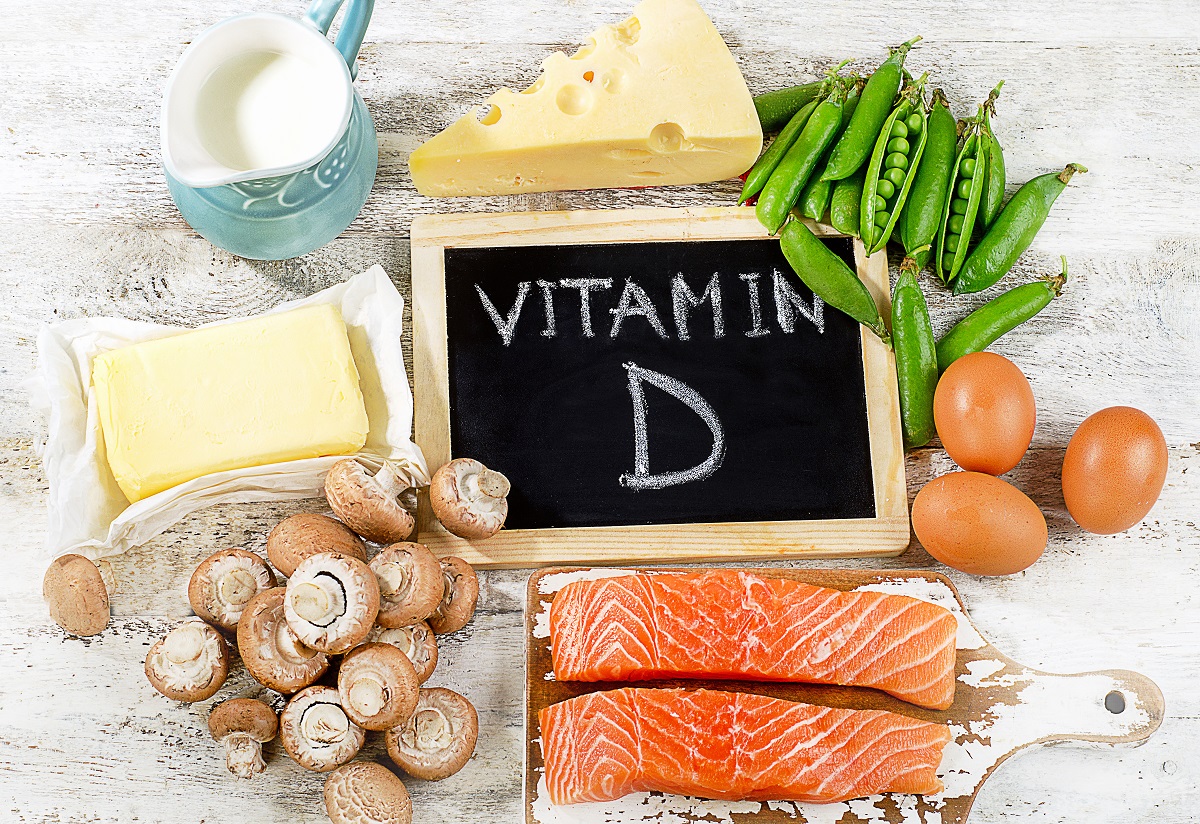
We have written many articles about vitamin D, with the focus being on how to obtain our healthy daily dose of it. It’s time to delve a little deeper into this vitamin to understand why it is so important.
According to MedicalNewstoday.com, Vitamin D is a steroid vitamin, a group of fat-soluble prohormones, which encourages the absorption and metabolism of calcium and phosphorous. Five forms of vitamin D have been discovered, vitamin D1, D2, D3, D4, D5.
The two forms that seem to matter to us the most are vitamins D2 (ergocalciferol) and D3 (cholecalciferol).
Vitamin D for humans is obtained from sun exposure, food and supplements. It is biologically inert and has to undergo two hydroxylation reactions to become active in the body.
The active form of vitamin D in the body is called Calcitriol. Calcitriol promotes the absorption of calcium and phosphorus from food in the gut and reabsorption of calcium in the kidneys – this increases the flow of calcium in the bloodstream.
This is essential for healthy bones and preventing hypocalcemic tetany. Hypocalcemic tetany is a low calcium condition that causes overactive neurological reflexes, spasms of the hands and feet, cramps and spasms of the voice box (larynx). Calcitriol also plays a key role in the maintenance of many organ systems.
We require 10 to 15 minutes of sun exposure at least twice a week on the face, arms, hands, or back without sunscreen with a greater than 3 UV index for adequate amounts of vitamin D3. Longer exposure results in the extra vitamin supply being degraded as fast as it is generated.