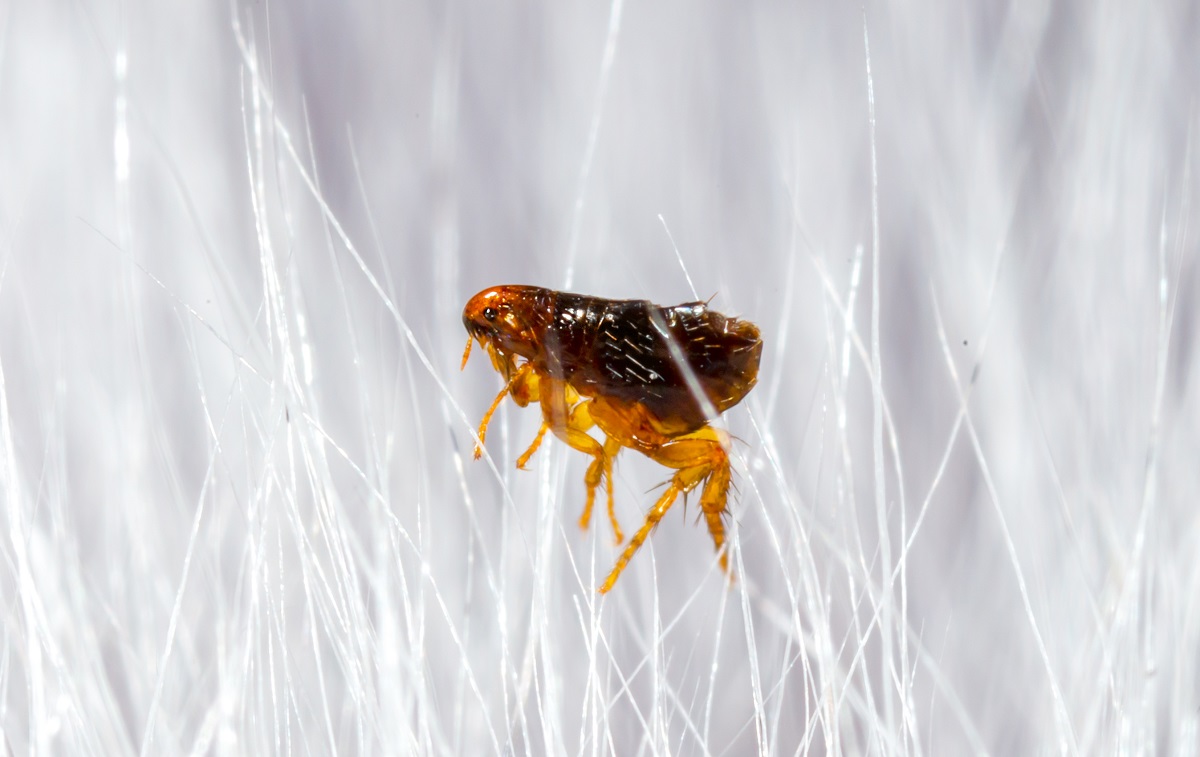
While the arrival of spring is the perfect time for outdoor activities with our cats and dogs, it also brings seasonal increases of ticks and fleas. It is important to realize, say, specialists, that significant medical conditions are transmitted by, and related to the presence of these parasites, including tapeworms, flea allergy dermatitis, and various tick-borne diseases. Treatment and prevention are critical to a happy, healthy summer for you and your pet.
Prevention
Grooming: Frequently comb your pet with a flea comb. Flea combs have very narrow bristles that trap adult fleas. When you find a flea, place it in a glass of water and dish soap, which will kill the flea.
Topical treatments: A simple monthly preventative topical treatment will repel and kill fleas on your pet is are excellent for keeping pets pest-free when used year-round.
Indoors: Vacuum your home often and put a little flea powder or a flea collar in your vacuum bag to kill any fleas inside.
Outdoors: You can treat your grass with pesticides but be certain to read all instructions and keep children and pets off the lawn after you treat it until recommended.
Treatment
Flea Baths: If your pet has a significant number of fleas, a flea bath is usually the first step. Most flea shampoos work well and will kill adult fleas but are too powerful to use on young puppies. Ask your veterinarian for advice if your puppy is under 12 weeks of age and has fleas.
Flea collars, sprays, and powders: While flea collars help, some kill fleas mainly on the pet’s face and neck but don’t kill all fleas on the pet’s body. Sprays and powders are also available but make sure it is designed for your pet and not for your house. Never treat your pet with more than one flea product at a time and never use products labeled exclusively for cats.