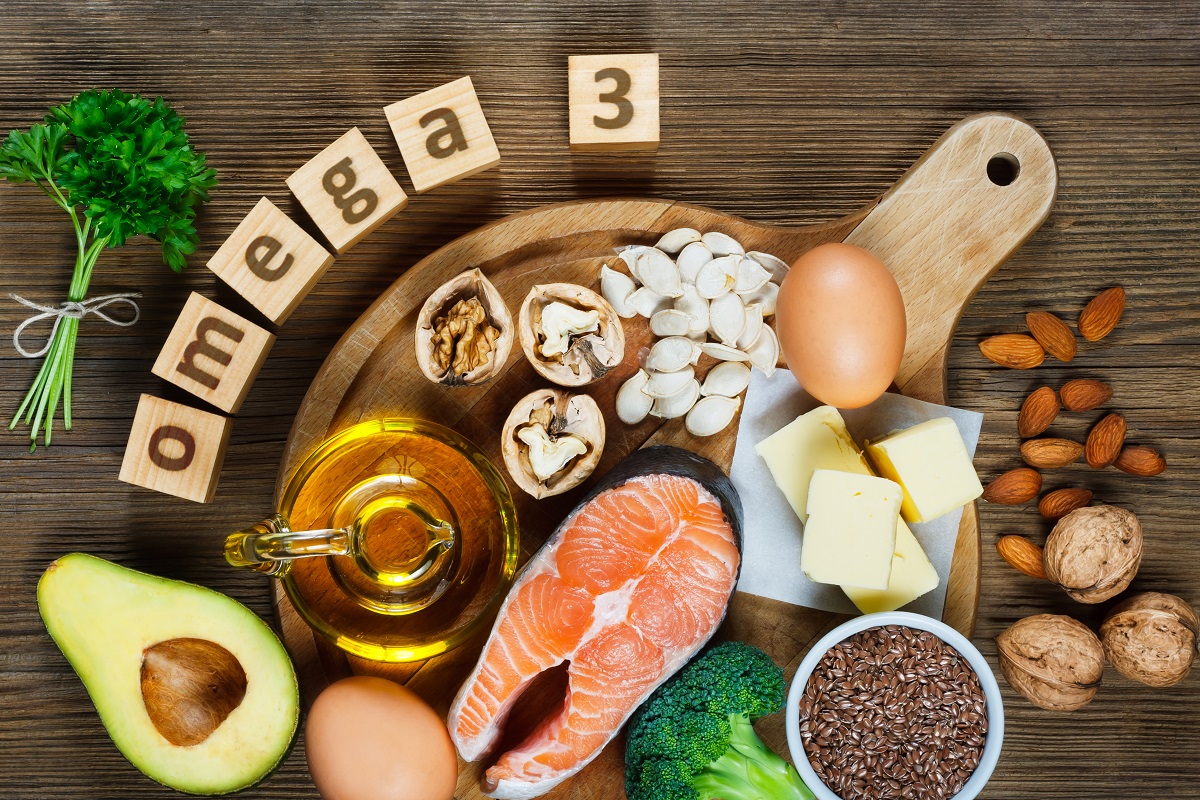
So, you’ve been told you need to have more omega-3 foods in your diet. (Okay.) Articles and magazines are telling you that most of the North American population is omega-3 deficient. (Thanks for sharing.) And, you’ve been advised by many of your most reliable sources (girlfriends, coworkers, and maybe your mom), that the best way to get more omega-3 in your diet is to eat fish. That’s right. Good ol’ fish.
But you hate omegafish.
Have no fear, there are other foods that can give you the all-important omega-3 boost your body needs.
Omega-3s are a type of nutrient called essential fatty acids, or EFAs. They are considered “essential” because they are required for good health, but cannot be produced by the body. Another EFA is omega-6, and when these two are consumed in a balanced ratio, they work together to keep the body healthy. The modern Western diet has upset the naturally balanced consumption of EFAs by encouraging foods with too much omega-6 fat, found primarily in refined vegetable oils like soy and corn; processed foods; and meats from animals raised on soy and corn instead of grass. We consume too little omega-3, found primarily in wild-caught, cold-water, fatty fish. Fish. Blech.
Symptoms of omega-3 fatty acid deficiency include fatigue, poor memory, dry skin, heart problems, mood swings or depression, and poor circulation. See your doctor if you think you may have an omega-3 deficiency.
So here’s how to get your omega-3 without fish, thanks to womenshealthmag.com
Grass-Fed Beef
When cows or even bison eat a grass-based diet, the resulting meat ends up being a good source of fatty acids.
Edamame
Filled with fiber and protein, the soybeans in edamame are a good source of omega-3’s.
Flaxseed Oil
Note that this is oil from flaxseeds, not to be confused with regular flaxseeds. Regular flaxseeds are a great source of fiber, but to get enough omega-3’s, you have to go for the flaxseed oil. Since it’s more condensed, you simply get more omega-3’s.
Enriched Eggs
When farmers feed their hen’s flaxseeds, fish oil, or even algae, hens lay eggs with more omega-3 fatty acids in them. Look for a carton that says it’s enriched with the health-promoting fatty acids the next time you’re at the store. However, keep in mind that the jury is still out on how much omega-3 you are getting with eggs. Misleading labeling is also an issue, and don’t forget about cholesterol, so be aware of the number of enriched eggs you eat.
Walnuts
Of all the nuts out there, walnuts are the omega-3 champs. They have the most significant amount.